Last week I went to “Supernova” a “pop culture expo” in Melbourne. It’s basically an excuse for a lot of vendors of sci-fi, fantasy, vampire and zombie – related apparel, games, outfits, and comics to sell stuff to people who turn up in strange costumes. There was even one guy dressed up as Alex from A Clockwork Orange.
But I found a literary genre I didn’t know existed.
Some people have taken the classics of literature and expanded them to include zombies, werewolves and other horror elements.
For example “Sense and Sensibility and Zombies,” by Jane Austin and Seth Grahame Smith, which starts off, “It is a truth universally acknowledged that a Zombie in possession of brains must be in want of more brains.” Apparently it sold so well he’s written two sequels.
I also saw “Sense and Sensibility and Sea Monsters.”
Did other people know this stuff exists, or have I been living under a rock the last ten years?
The Japanese Tsunami- Why are the Economic and Political Effects not Bigger?
The Japanese Tsunami – Why are the Economic and Political Effects not Bigger?
A Note for non-Economists.
By Richard Snow, Melbourne, Australia, 17 March 2011
This note attempts to explain the possible economic and political effects of the tsunami and nuclear disaster of 11 March 2011 in Japan. It is aimed at non –economists, those not used to reading economic newsletters, or those interested in the political fallout (if any) the disaster could produce. Part of this note is to explain why the economic effects of the disaster are not as great as one might expect from watching media coverage. This note is NOT intended to down–play the human aspect of the tragedy in which 10,000 people may have died. The tragedy is real and horrific, but economic forecasts of its effect may seem very small to the non-economists
(i) The immediate economic effect of the tsunami and the nuclear meltdown is that a large amount of productive capacity (factories, offices, shops and electricity production) has been destroyed. GDP is the market value of output in a given year, which must equal the income generated by the sale of that output. It should not be confused with the value of the asset that produced the goods. The asset and the income enter the picture in different ways.
To take a totally hypothetical figure, if a factory worth $3million generated output (say canned fish) of $1milion in a year, there must be $1million of income going to some groups of people in the form of wages to fishermen and factory workers, rents to the factory owner, and dividends or retained company profits. The effect on GDP is a loss of $1 million this year, and again next year, and again each year for as long as the factory is not rebuilt.
To repeat, the effect on GDP (national income) in a particular year is not equal to the value of the asset destroyed ($3million), but rather the value of the output (which equals the incomes) it would have generated in the relevant year: ($1 million).
However, the area hit by the Tsunami, the “Tohoku” (which means North-East) region of Honshu accounts for 6-7 per cent of Japan’s GDP and about the same proportion of the population: only half that of the area hit by the Kobe earth quake of 1995. The loss of GDP also includes the incomes not produced by those who have been killed in the disaster: estimated at about 10,000 people. The total population of Japan is about 127 million.
At 17 march, most economists are predicting a loss of GDP of less than half a per cent in the first half of the year.
(ii) There will be a post-disaster reconstruction period. The reconstruction adds to GDP, since it is building activity which produces an output (e.g. a new factory, rebuilt roads and new power lines) and creates incomes for the construction workers, profits for the construction companies, and dividends and rents to anyone who is entitled to them from the construction companies. This addition to GDP may be stretched out over many years, depending on how long the re-building process takes. Most economists are predicting an increase to GDP of less than half a per cent in the second half of the year as reconstruction begins. Thus the effect on the Japanese economy is not as great as one might imagine from looking at the scenes on TV.
(iii) We might logically expect that there should be an effect on inflation. Electricity prices could rise, on the other side of the ledger, electricity prices are only a small part of the CPI, and as stated above, the area affected is only a small part of Japan. Finally, instead of allowing power prices to rise, the government or the electricity companies could engage in quantity rationing: distributing the losses around by means of rolling blackouts. This is in effect rather like the quantity rations used in many countries in war-time: hold prices constant but limit how much people can have, so as to hold demand down in line with supply.
(iv) As reconstruction begins, the prices of building materials might rise. This would be concentrated on construction materials that are expensive to transport (cement, stone) since demand will rise strongly but supply will have trouble catching up. Ironically the faster the rebuilding effort is undertaken after a natural disaster, the greater the rise in inflation since the greater the extent to which demand will outstrip supply of difficult-to-transport materials. However the extent of the affected is small in terms of the world economy and the world price of raw materials is what matters here. Materials can be diverted from the 93 per cent of Japan not hit by destruction of buildings. It would also be very “Japanese” in the terms of social harmony for supply companies not to take advantage of the situation by raising price.
(v) We might anticipate that food prices may rise if farming areas have been subject to radiation or were rendered uninhabitable. However the extent of food price rises would be mitigated (or not) by the willingness (or not) to buy imported substitutes. Japan already imports 60 per cent of its food, and the Tohoku region is only 6-7 per cent of Japan’s economy. Agriculture, forestry, fishing and mining (jointly referred to as “primary industry”) account for only 1.3% of gross national product. So any inflationary effect on food prices would be small. I have been unable to obtain statistics on the percentage of Japanese agricultural production that takes place in the Tohoku region, but I find no references to it being a major producer or “bread basket” of the country.
(vi) Trust in the Japanese government may deteriorate. In any catastrophe, information comes out in bits and pieces, and the full picture may not be known for some time. (Example: the Deepwater Horizon oil spill of 2010). Governments also tend to want to reassure their populations in times of crisis. This may produce accusations in one or two years of “why didn’t you tell us about X”. The incumbent party may face an electoral backlash if it turns out that information was withheld or was incomplete (even if this was not intentional.) At present the ruling centre-left “Democratic Party of Japan” (Minshu-to) has 308 of the 480 seats in the Japanese Parliament. The conservative Liberal Democratic Party (Jiyu-Minshu-to) holds 119 seats. (The word “liberal” should not be confused with its American usage.) Minor parties or independents have 53 seats. For the conservatives to form a government in their own right with a bare majority would require them to gain an extra 123 seats, or to more than double their current representation. This is a “big ask” of any political party.
(vii) Some people will remain unemployed for a considerable time. Small business owners will face effective (if not legal) bankruptcy. But these people may blame nature, or accept the fact that Japan is prone to natural disasters. The government relief and reconstruction effort would have to be very seriously messed up before people blamed the government.
(vii) The disaster will likely produce a backlash against nuclear power in some areas. Transnational lobby groups will likely intensify efforts to suggest that alternative power sources (solar, wind, tidal) be used rather than a rebuilding of nuclear power plants. Thus there may be opportunities for companies producing those technologies to pitch for contracts. However, the effect of anti-nuclear lobby groups may be short term. Not many today can remember the Three Mile Island accident (1979) or the Chernobyl accident (1986). The damage to the nuclear reactor may be forgotten in less time than one might expect. On the other hand, the BBC reports (17 March) that China has suspended approval of any new nuclear power plants.
(viii) Expenditure by the Japanese government on rebuilding and relief will be accompanied by reduced tax revenues from affected areas. In most countries this would mean a rise in the budget deficit and an increase in government debt. This would normally lead to a downgrading of the government’s credit rating and therefore higher interest rates for the Government borrowings. However, the Japanese government sets aside a contingency fund for natural disasters in its budget each year, and there is currently no talk of a budget blow out.
Conclusion: although the disaster is a human tragedy, the economic consequences are not as great as many non-economists might suspect. [This has been written 17 March, 6 days after the tsunami, on the assumption that there is no nuclear meltdown affecting a greater area of Japan.]
Additional Note: since the above was written on 17 March, there has been much discussion of continuing radiation leaks. The effect of these is difficult to predict. If people in the vicinity of the plant suffer radiation induced illness, GDP is reduced by the loss of their contribution to the economy. However the medical expenses involved in treating them are an addition to GDP. This is not meant to sound ghoulish – it’s just how GDP works. The net effect of the radiation leaks may take years to play itself out.
2nd additional note: since the above was written the Japanese government and TEPCO (the electricity company that owned the plants) have admitted that at least three of the reactors did suffer meltdowns. What the final damage bill will be, or the cost in human life is anybody’s guess. I’ve never seen such a situation before.
Author’s contact: Richard Snow, Melbourne Australia, snowinmelbourne (at) hotmail (dot) com. The writer has a BEc(Hons) and MEc degree, worked as an economist in the Victorian State Government Dept of Treasury and Finance for 16 years and taught Economics at University level for 8 years.
A Few Photos of Arizona
After the writers’ conference at San Diego, I went to Arizona. (Most of the east coast of the USA was having really bad weather.) In Phoenix, the Capitol, I went to the few museums they have in the center of town – there aren’t that many. One museum, the Arizona Science Center, had the display “Bodyworks”, by Gunther von Hagens, which consists of preserved plasticized human corpses which are opened up, so you can see all the internal organs. It’s very strange to look at what once were real people. Is it morbid? Yes, sort of, but is it any different to looking at an ancient Egyptian mummy? Maybe not. The Heard Museum has displays of Native American crafts and artifacts
Phoenix is full of cactus plants and red scoria gravel where other cities have grass. I guess they just have to fit in with their climate.
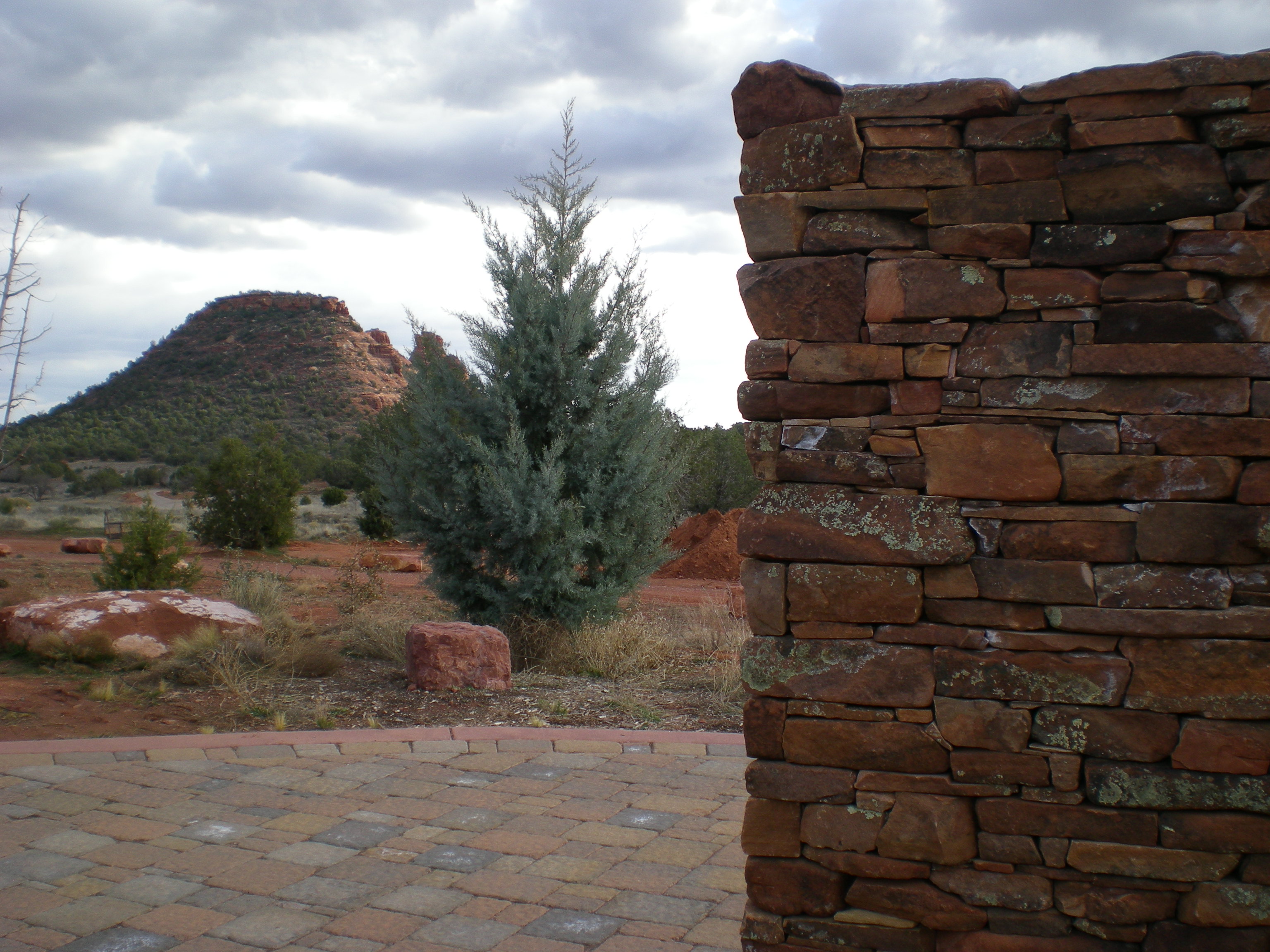
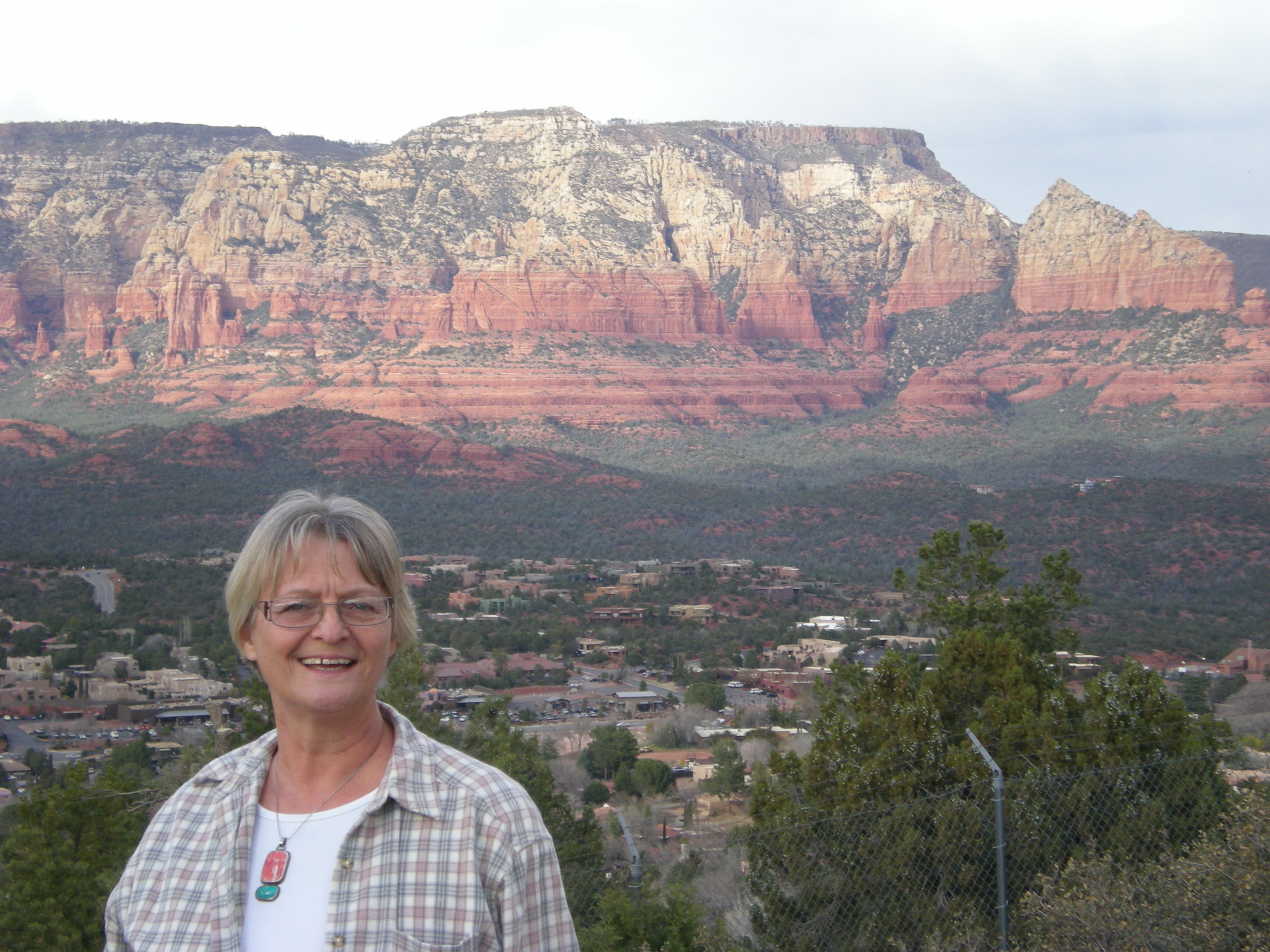
A friend of a friend was good enough to drive me to Sedona, a town built in the middle of canyons that show the layers of rocks very clearly. We also saw “Rawhide,” a reconstructed Wild West town, complete with acted shootouts etc. I’ve included some photos below. I imagine the first settlers found this very inhospitable countryside to visit. It’s a wonder they didn’t pack up and go home. Still, America was founded with that spirit of exploration and setting off into possibly adverse conditions – kind of like the first explorers in Australia who crossed the Great Dividing Range that’s a couple of hundred miles in from the east coast of Australia. When they got to the other side and saw the harsh conditions, it surprising they didn’t go, “Hey I’m out of here.” Wills and Bourke, two of our most famous explorers, died because they miscalculated how far you had to travel before you’d find water. There are parallels. Anyway, some pictures are below.
- Near Sedona (1)

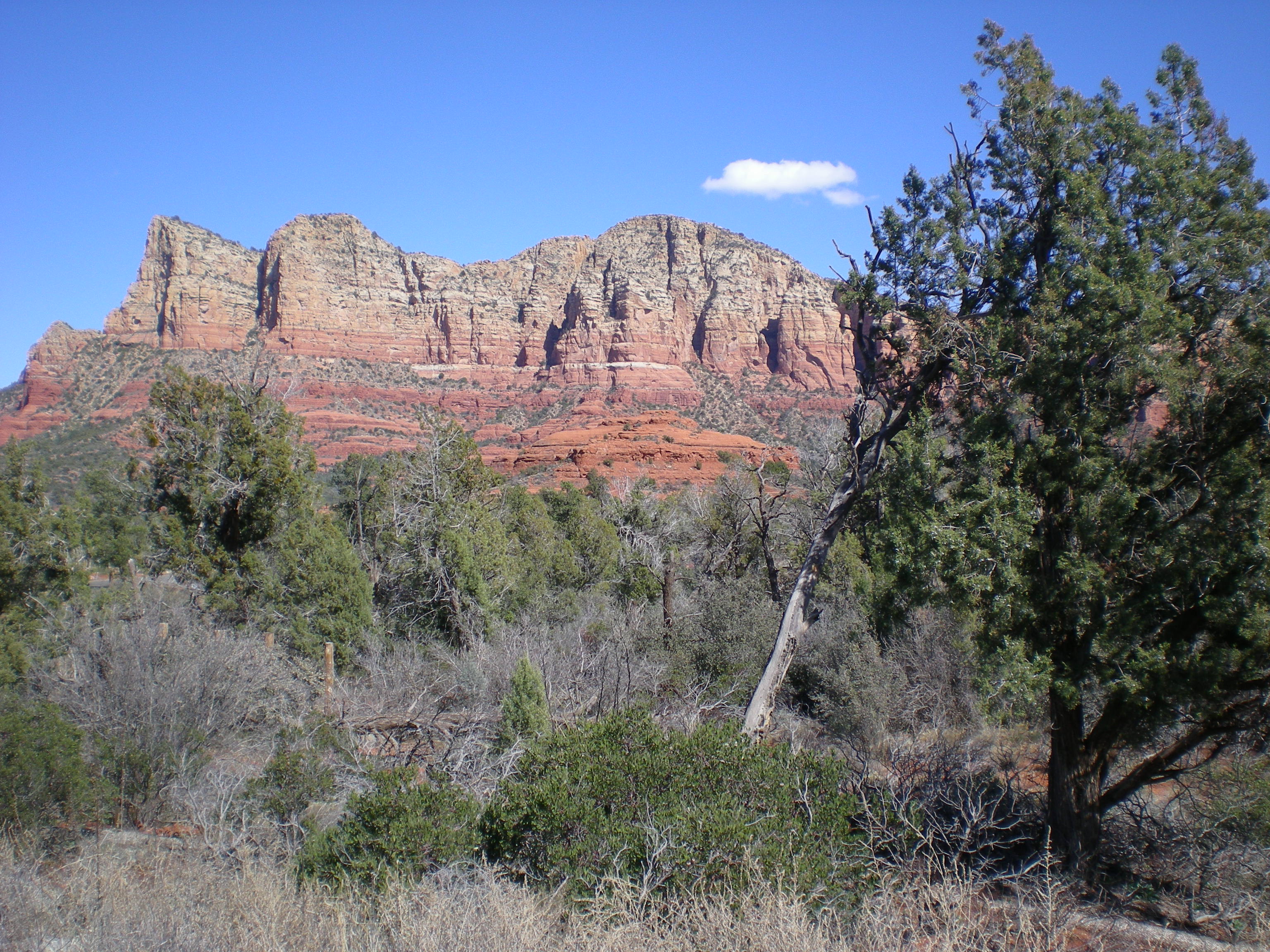
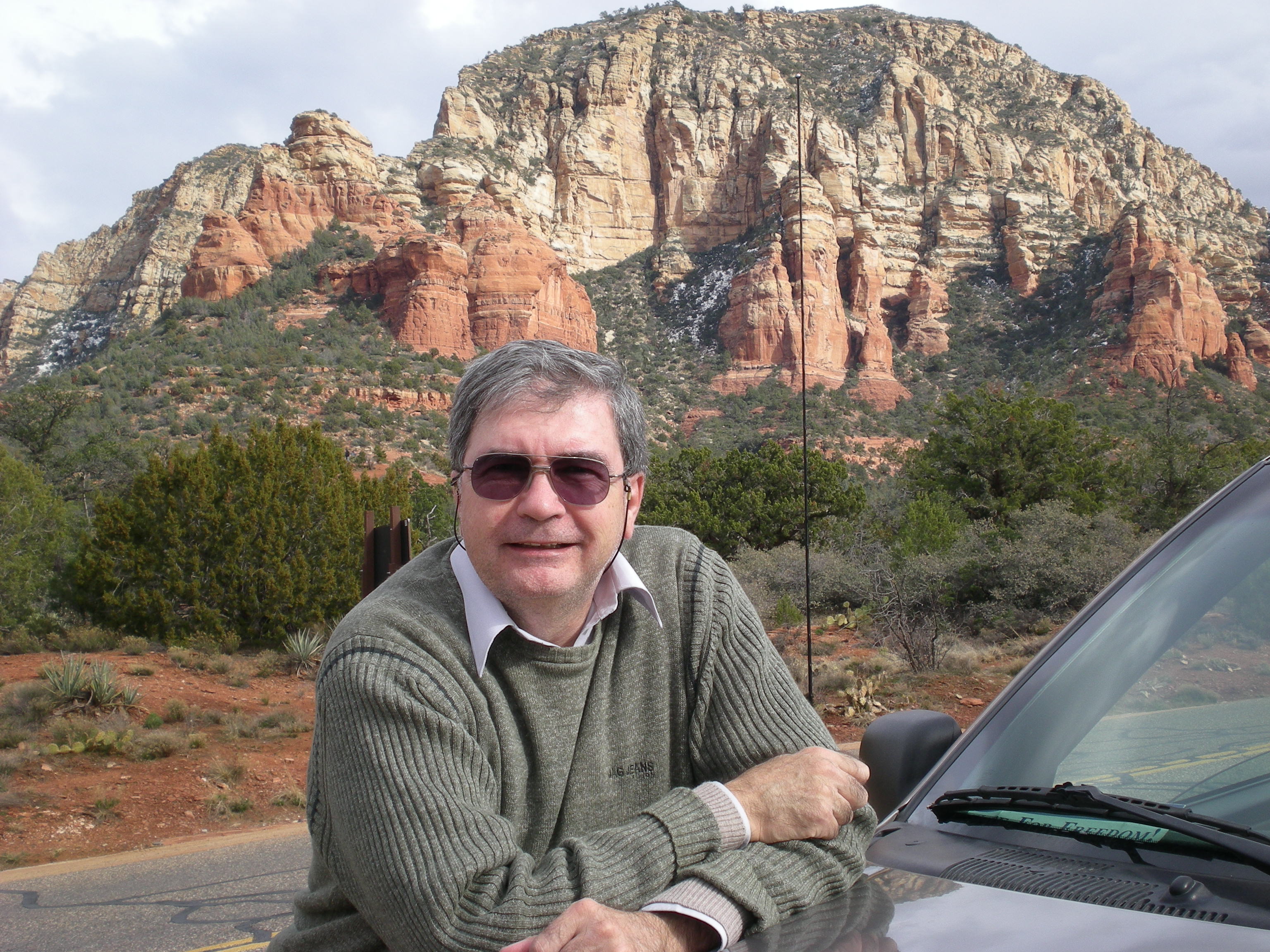
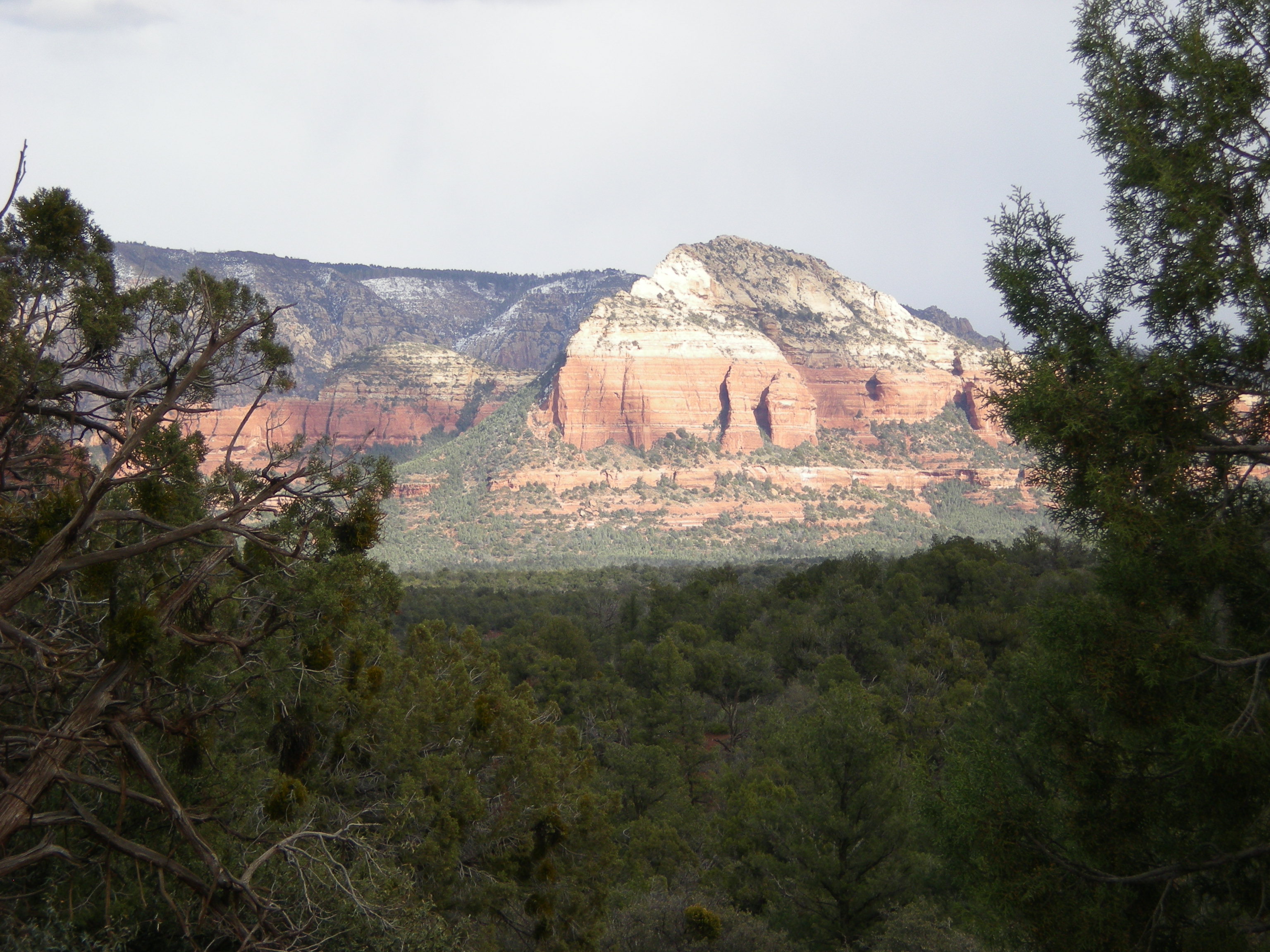


The Novel I’m Having Trouble With
Later this month I’m off to the Southern California Writers Conference at San Diego to try to sell my first novel ( a spy thriller.) (Their website is
In the meantime I’m trying to write a second one about a woman on the first manned mission to mars who keeps getting messages on her computer from someone who is able to predict what will happen on the ship. The trouble is, the messages keep disappearing, leaving her with now proof that she ever got them. She doesn’t know whether to tell anyone about them, and the sender urges her not to. Unfortunately, she had two uncles with schizophrenia, and she begins to worry that these messages aren’t real. The novel will revolve around “what do you do on a ship in deep space if you begin to doubt your own sanity?” Who do you turn to for advice when the very people you depend on for cooperation – and who will depend on you – need to feel they can trust you to act rationally, given all the difficult things they’ll have to do when they do get to Mars. (There’s going to be a twist at the end when we learn who the sender of the messages is.) But it’s turning out to be a lot harder than I expected. Writing the spy novel was a hard, slow process, despite several professional manuscript appraisals. It took 5 years before I put it away ad recently pulled it out again. This one is beginning to feel much harder.
Any readers who have suggestions: if you intentionally wanted to drive someone insane on a space ship, how would you it?
On the Edge of the Lake (scroll down for life on the lake.)
Here are some more pictures of people who live on Tonle Sap lake, in Cambodia, at the end of the lake near Siem Reap


Some Photos of the Floating Village in Cambodia
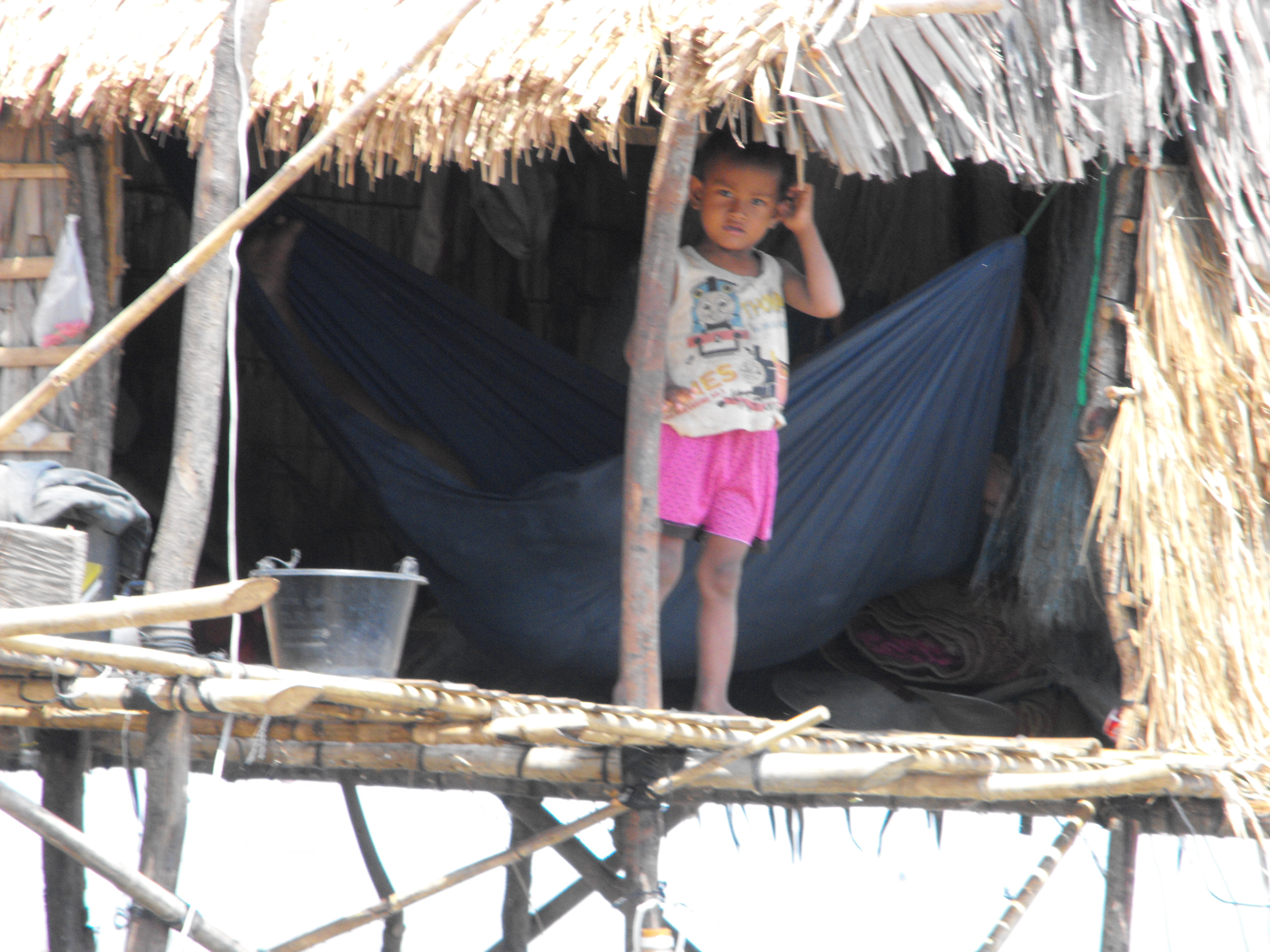
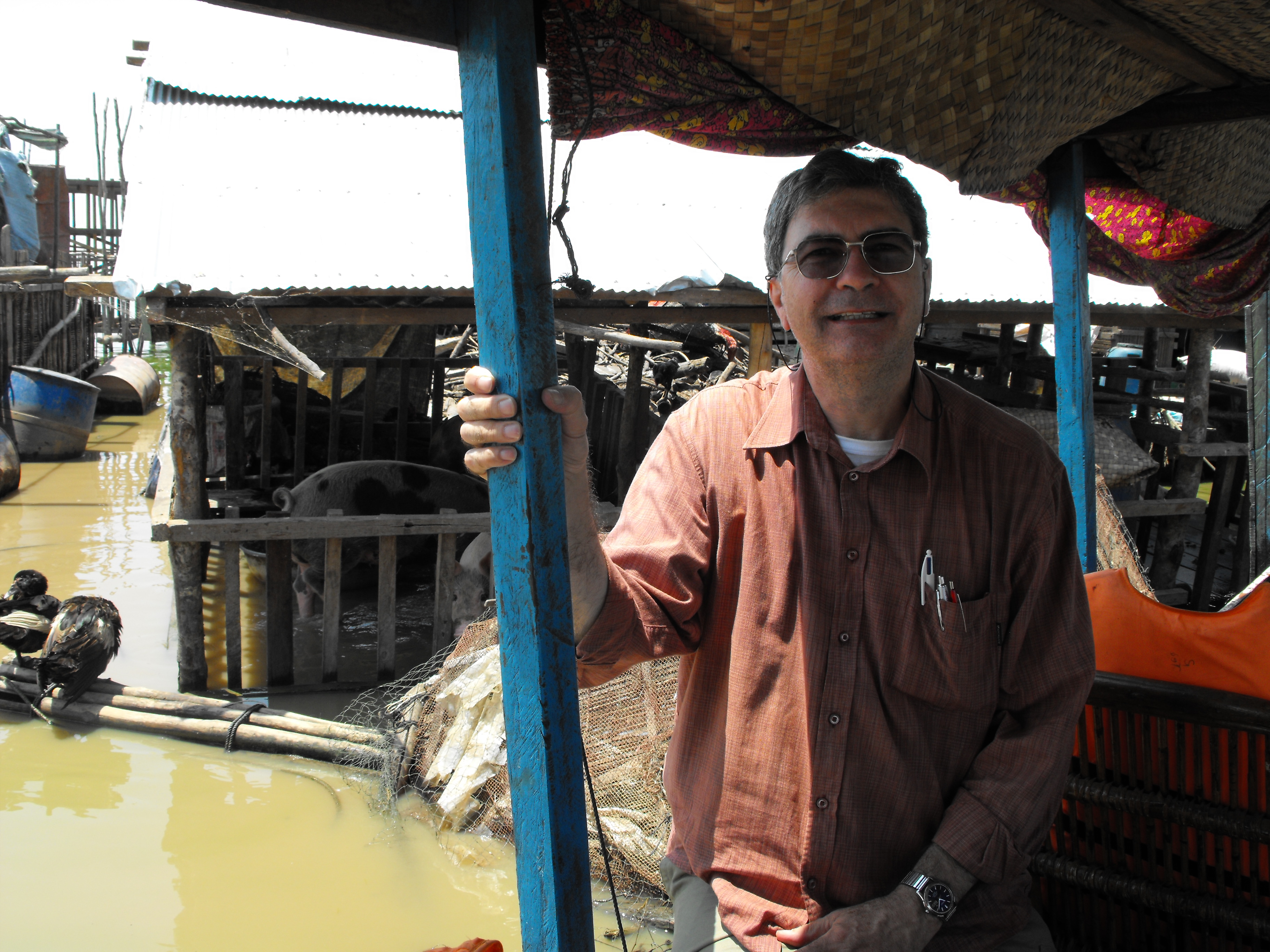
Some new photos: In Cambodia there is a whole community that lives in boats, flaoting houses built of floors of thick bamboo, and deconstructable houses on stilts in the middle of the Tonle Sap lake. These people fish, and also keep live stock (in cages, on floors of floating bamboo) on the lake. Here are some photos. At the height of the rany season, some of them dismantle their houses and move them to land.



- Pigs in floating cage

An Interesting Site About Amish and ex-Amish
Withing 12 hours of posting the book review below I got a comment from a guy who runs this website, about people who disagree with Amish and support people who leave the church. The issue of people confusing culture with religious rules is so similar to what crops up in Hirsi Ali’s and Ishad Manji’s books about what’s Islam and what’s North African or what’s Arabic culture. Take a look at his site. Whether you’re Christian or not, it’s intersting. (See the link below.) There is a six-part BBC documentary about a couple of families that leave/get expelled from the Amish. One of the critical issues is that they are reading the Bible in English! Most Amish are given Bibles in Old German, which they can’t understand. But of course, information is power, and restricting the ability of the ordinary Amish to understand what’s in the Bible helps the elders to maintain power over the flock.
And I Always Thought the Amish were Just Cute and Cuddly
I have just finished reading “Crossing Over” by Ruth “Irene” Garrett (Harper 2003.) I had always pictured the Amish as those cute folksy old guys with their horse and buggies, just living their 1600s lifestyle in the 20th century. Well, cute they may be, until you try to leave them.
The picture Garret paints of life in the Amish is of a very joyless existence, with an overbearing father, dominance of the men over the women, psychological manipulation, a religion fixated on hell, and a desire on her part not to end up with the diminished life her mother has lead. In this she reminds me of Ayaan Hirsi Ali and her description of her Somali Muslim family (see elsewhere in this blog).
Amish are bought up for childhood to believe that the “English” (read non-Amish) world is full of sin and depravity, only the Amish will be saved, and anyone who leaves the Amish church must be shunned (unless perhaps you leave for the closely related Mennonite church – see Wikipedia for an explanation of Mennonite and Amish). In practical terms, your family won’t speak to you (except for the purpose of telling you that your soul is going to hell and you need to repent and come back.) Irene Garret made the mistake of falling in love with the “English” mini-bus driver the family employed when they needed to go longer distances than the horse and buggy are good for. But Irene marries the driver (“Ottie”) and is excommunicated from the church.

When she tries to visit her family, she must do it by surprise in order to avoid a group of the (male) elders ganging up on her and turning the visit into some psychological browbeating session. (Compare Hirsi Ali’s description of the clan conference called when her relatives find out where she is in Holland.)
The family’s letters to Irene after she leaves consist of little more than manipulative repetitions of the pain her leaving has caused everyone, how ‘empty” the home is without her, and how unless she returns she will go to hell. An organised boycott of Ottie’s calendars (which contain photos of Amish buggies) and of his published directory of Amish families lead to his forced sale of the business at a loss. Not nice, eh?
Why do some religions behave like this?
Once you have a group that believes it and it alone hold the pathway to heaven, it provides a justification for limiting members’ contacts with the outside world. If you meet enough people of other beliefs you might just discover that they are in most cases morally no better nor worse than you and your kin. And then what would happen to in-group conformity?
Shunning is a cruel form of emotional blackmail to keep members in line.
And the dominance of men over women? Leaves me puzzled. Like Amish, like Islam like the Roman Catholic church. Do these guys realise how much they have in common?
Church members are not taught to think independently and question, and this in turn again makes Garrets experience of the Amish similar to Hirsi Ali’s experience of Islam. If women were taught to think for themselves, argue and debate, who knows what might happen to the existing power structures. But that’s not likely to happen in the Amish church anytime soon.
Film: “The King’s Speech”
I just saw Colin Firth, playing Prince Albert (“Bertie” to his family, later to become King George VI), Geoffrey Rush as Speech Therapist Lionel Logue , and Helena Bonham Carter as Queen Elizabeth, the former queen Mother, in The King’s Speech. Colin Firth’s acting is superb as the stuttering prince.
How are we made to feel sympathy for the main character? We see Bertie trying to cope with the embarrassment of his stutter, and we see other people turn their heads to avoid looking at him as he makes public speeches. We learn that was made to change at the age of five or thereabouts from being left handed to being right handed, and bound into splints to stop him from being “knock kneed.” (See * below for Wikipedia on knock knees.) He and his brother were taken to their parents for the “daily viewing”, and the nanny would pinch him before they went in to make him cry. The nanny would then leave him without food. He was terrified of his father. His father shouts at him to get his words out, then tells him to relax. Later Bertie tells Logue that his father once said “I was afraid of my father and my children will be bloody well be afraid of me.” It’s little wonder that he grew up to be described by Logue as “afraid of his own shadow.” “Bertie” makes progress with his speech, but this comes undone when his older brother mocks him.
At the beginning of the film the power-play between Bertie, his wife and the therapist is cleverly done. Logue insists on seeing the prince at his own rooms, not at the palace, and tells him that it’s “my castle” and they play according to “my rules.” Desperate for a solution to their problem, the royals give in.
The sense of conflict or tension in the film comes from (i) Bertie trying to overcome his stammer (ii) the impending crisis as his older brother, the King, wants to marry American divorcee Wallis Simpson, (iii) Bertie’s reluctance to assume the throne, (iv) Bertie’s feeling that Logue has become ‘too familiar’ at points, and breaks of the relationship temporarily, and (vi) Bertie’s fear, even after he takes the throne, that, because his brother is still alive, the brother may attempt a comeback.
The audience is made unsympathetic to Wallis Simpson when Bertie and his wife arrive at Balmoral or Sandringham (I can’t remember which) and Simpson refers to it as “ ‘our’ country shack.” The presumptuousness built into this line is wonderful.
I’d recommend this film as five-star material. Go see it.
-0-0-0-
* I confess I had to look “knock knees” up in Wikipedia where it is defined as: Genu Valgum, commonly called “knock-knees”, is a condition where the knees angle in and touch one another when the legs are straightened. Individuals with severe valgus deformities are typically unable to touch their feet together while simultaneously straightening the legs.
What I’m Reading: Gilead by Marilynne Robinson
I’ve recently finished reading “Gilead” (2004) by Marilynne Robinson. Her first novel, “Housekeeping” (1981) got a Pulitzer Prize nomination, and Gilead got a Pulitzer Prize. It is one of the strangest books I’ve ever read. The book is essentially a letter from a father (John Ames) in his seventies to his young son, who is seven years old. The father has some illness – he refers to heart disease on page 4 – and knows he will die soon. He recounts the family history back to the time of his own grandfather’s involvement in the American Civil War. Most of the action takes place in the town of Gilead, Iowa, where the main character, his father, and grandfather have all been Congregationalist Ministers. The narrator is writing in 1956, although this did not become clear to me until he states in one passage that he will vote for Eisenhower in this current presidential election, if he lives long enough (p.107).
The book doesn’t really have a plot in the conventional sense. There is an antagonist: the son of the narrator’s best friend. The son was named John Ames (“Jack”) Boughton after the narrator. The narrator baptised the Jack Boughton, the son of his best friend, and did not know until the baptism that the parents had decided to name the child after him. He didn’t like it. Throughout the book the author drops hints that Jack Boughton is untrustworthy and deceitful, and we know that Jack Boughton has left home in some sort of disgrace.
Eventually (p.257) we learn that Jack Boughton has a coloured de-facto wife (named Della) and a child in Tennessee, where marriage between blacks and whites is illegal. The wife was a school teacher. The woman’s father does not approve of the relationship, and Jack’s own father doesn’t know of it.
The author is clever in the way she drops references to Jack Boughton’s character through the book.
Jack Boughton talks about going to tent revival meetings because there is no alcohol there (implying that he is an alcoholic) and he refers to working as a shoe salesman, saying “there’s very little money in it, but you don’t get arrested for it, either.” (p.256).
During this conversation Jack Boughton refers to the narrator’s marriage containing such an age difference. (I think there is a 20 or 30 year age difference between them but cannot locate the passage which tells us this.) Consider this passage in which Jack Boughton is telling the narrator about his marriage:
“…’You know a little about being the object of scandal. Unequally yoked and so on. Of course, Della is an educated woman.’ Those were his very words.
Now that was just like him. That meanness. And his remark was not even to the point. And I never felt there was anything the least bit scandalous about my marriage. In her own way, your mother is a woman of great refinement “ (p.262)
Eventually Amis manages to bless jack, and Jack leaves the town, expecting never to come back. (p.276).
I’m surprised that this book managed to hold my attention for as long as it took to finish it. I normally go for fairly tight actioned thrillers, and this is as far away from that genre as it’s possible to get.
 Richard Snow Writer