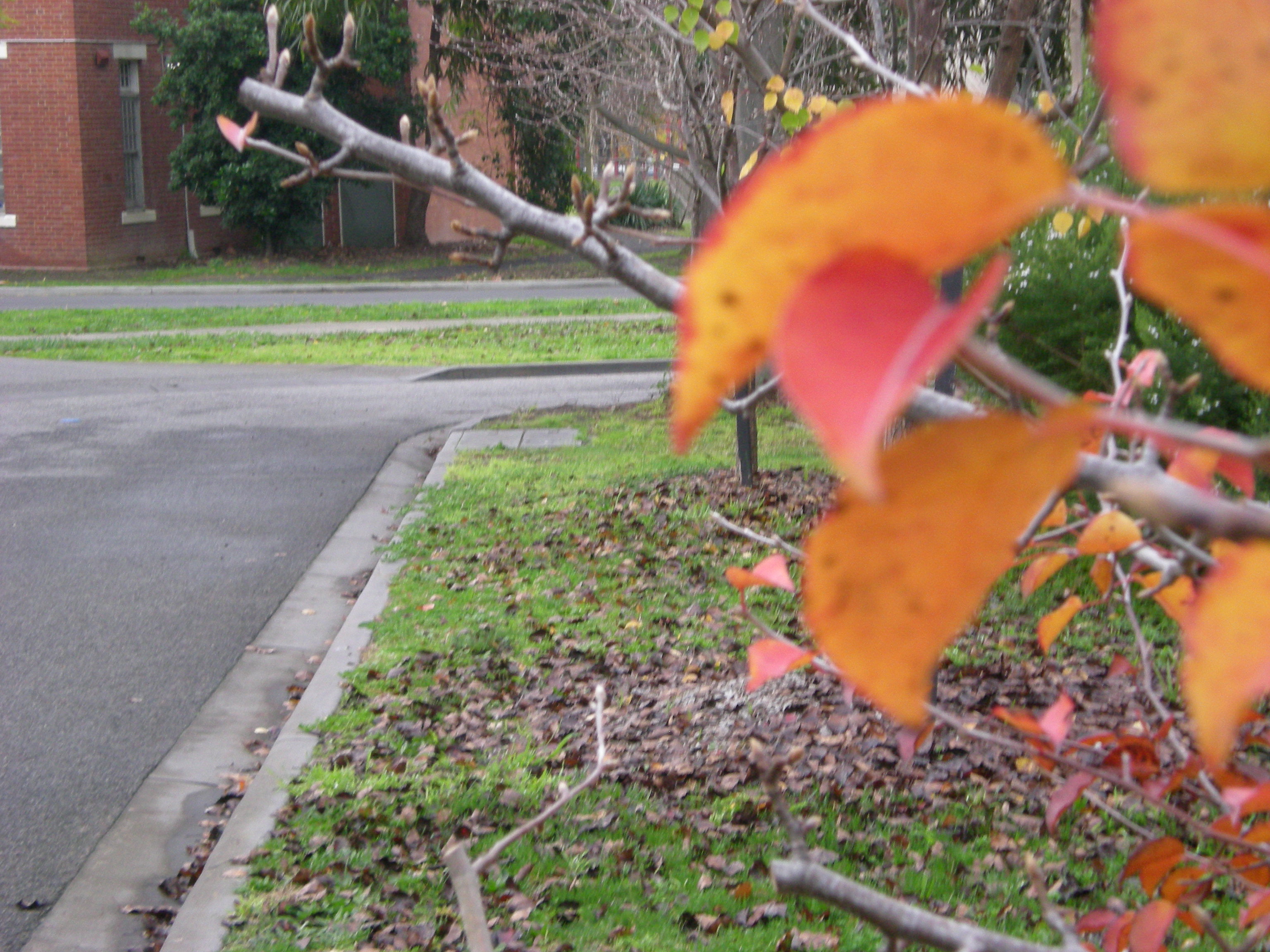
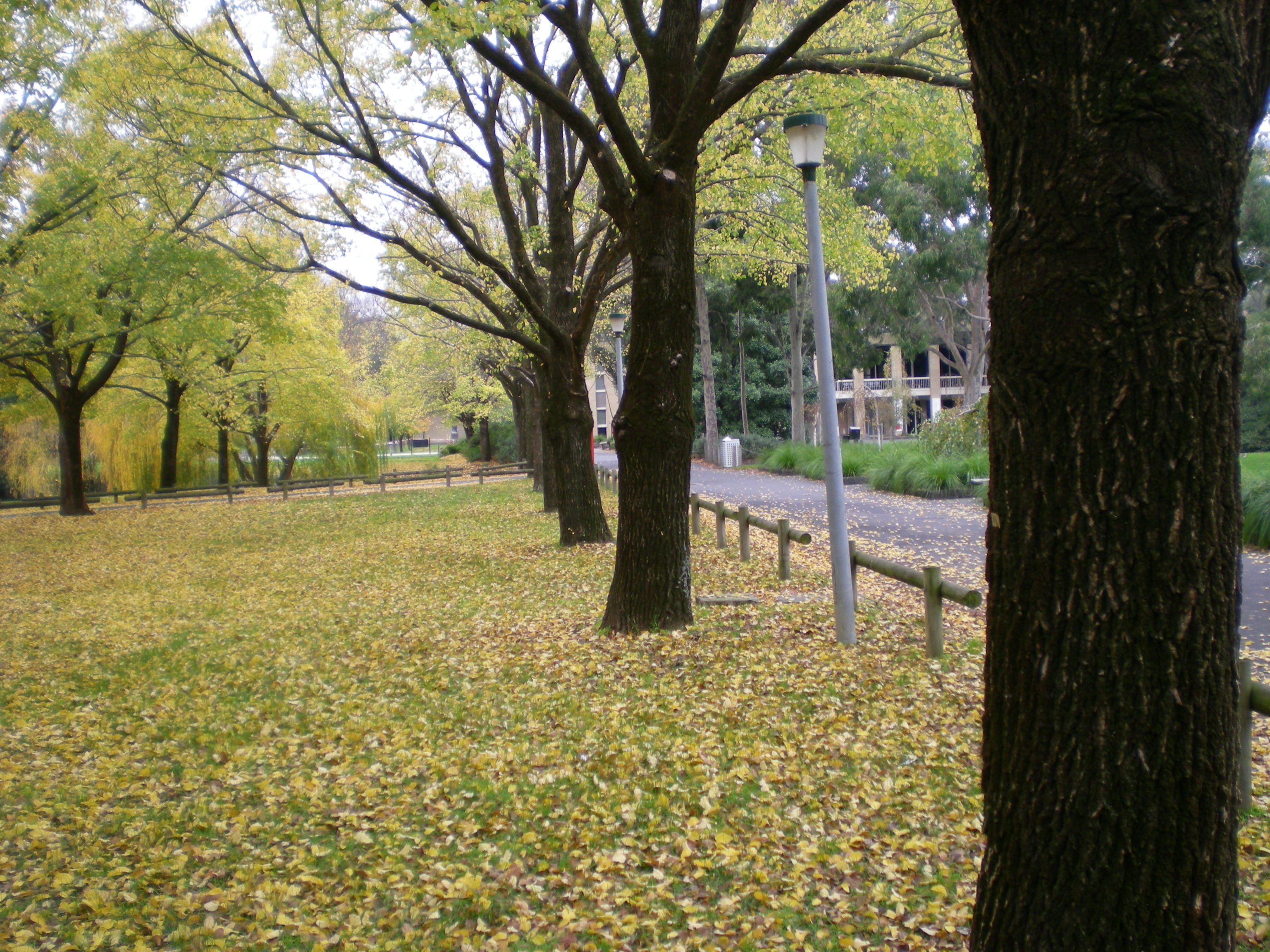
It’s late autumn in Eastern Australia. Here are some shots of the streets near where I live.
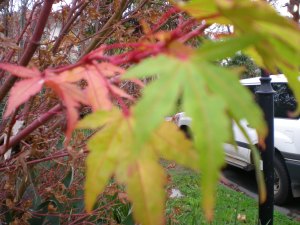
- 1. I like the three colors of leaves on one tree.
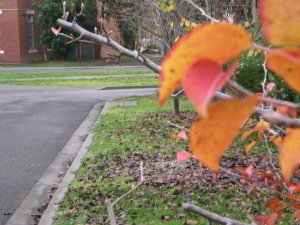
- It’s the colors!

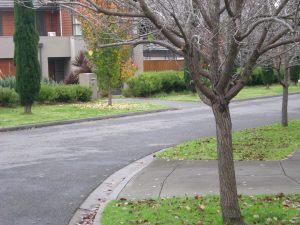
- And soon all the trees will look like this.
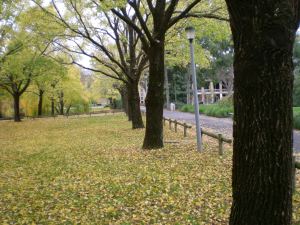
- Inside La Trobe University


It’s late autumn in Eastern Australia. Here are some shots of the streets near where I live.


I recently posted this a facebook page to do with fiction writing, in response to a thread, “Do you think a fictional story should teach (or attempt to teach) a moral lesson?”
Should novels ” teach a moral lesson?” Well it depends on what you want. If I want to learn something theological, I’ll buy a theology book. If I want to know why an author claims that evolutionary biology supports atheism, I’ll buy something by Richard Dawkins. If I want to earn about a certain political view, I’ll buy a book from someone in that political movement. If I read Aayan Hirsi Ali about her experiences growing up Muslim, I know what I’m in for: but she writes as a polemicist, not a novelist.
But if I buy a thriller – and pay money -and THEN discover that I’m getting someone’s political or theological view I’m likely to get a little irritated and think that my $10 (or whatever) has obtained under false pretenses.
An example is Michael Chrichton’s State of Fear. I know it got to #1, and I do like Michael Crichton – I have several books of his on my shelf. But in State of Fear, one of his characters gave long lectures about how climate change modeling doesn’t prove anything. Well of course it doesn’t. Modelling never does. A model consistes largely of beliefs put into eqautions and then distured in some way: If we assume, or believe, that the world includes like A, B and C which between them produce X, and we change C by this much, the result is X changes this much. Of course the model doesnt proove that climate change is real: that’s not a model’s job. They illustrate.
Chrighton’s points would be appropriate (or not) in a scientific work if it had come from a reputable scientist. Crichton stuck in numerous footnotes and graphs to plug his views: I thought footnotes in a thriller??) For me they became, a boring and tedious diversion from the plot . Chrichton is entitled to his view, and he’s entitled to give lectures and write a straightforward polemical book about this. And he IS entitled to write the novel he did if that’s what he wants. We all have our rights. But doing this comes at a cost. The cost is detracting from the quality of the novel by making his characters clumsy mouthpieces for his own views.
If you want the novel to have a ‘moral’ it requires great subtlety. “The Other Boleyn Girl” might be read as a story with a moral about getting too involved in high stakes conniving and double dealing when you can’t control the one thing your life will ultimately depend upon (the ability to produce a live baby boy.) But it doesn’t have a character who constantly preaches that Ann will end up dead. We can see the risks she’s running for ourselves. The readers have brains. (And some readers know their history.) If you want to have a moral in your story, a bit of subtlety and ambiguity go a long way: try My Sister’s Keeper by Jody Picoult.
But Michael Crighton obviously disagrees. and his not here to defend himself. He died just after the book was published. It’s a pity. I would have liked to read more of him – but without the footnotes and graphs.
A fiend from San Diego kindly collated the writing tips that Donal Maass (Well Known Literary agent) has been sending out as tweets. Here they are collated:
01 What’s the worst thing your MC does? Whom and how does that hurt? Now work backwards, set it up to hurt even more. #Maass
02 What’s the most selfless thing your MC does? What good change or effect does that have on someone unexpected? Add that in. #Maass
03 Find any violence in your ms. Delete any shock, fear or horror. Replace with two *conflicting* emotions that are less obvious.#Maass
Today’s Breakout prompt may be tougher than it looks. Let me know. Ready? Here we go…
04 Choose a middle scene: What does POV character feel most strongly? Evoke that feeling without naming it, through actions alone. #Maass
A tragedy really puts things in perspective, yes? Help others, live strong, write. Today’s Breakout prompt for whenever you’re ready…
05 What should your readers most see, understand or be angry about? At what story moment will that happen? Heighten it in two ways. #Maass
We grow and change day by day. Characters can too, scene by scene. Today’s Breakout prompt coming up…
06 How does your POV character change in your current scene? Work backwards. Make that change unlikely, a surprise or impossible. #Maass
It’s Sunday, but no rest for fiction writers! Today’s Breakout prompt coming up in just a minute…
07 What does a sidekick or secondary character see about your MC that your MC denies? Force a showdown over it. #Maass
Our friends sometimes know us better than we know ourselves. Today’s Breakout prompt coming up…
08 What does a sidekick character know about your MC that your MC refuses to see? Force a showdown over it. #Maass
08 Over what does your MC disagree with his/her boss or mentor? When does the boss/mentor prove to be right? #Maass
Ever been in a place you just can’t seem to get away from? Today’s Breakout prompt coming at ya…
09 What’s a place in your story where something significant happens? Switch two other story events to that location too.#Maass
It’s characters inner lives that make fiction involving. Adding to that is not subtracting from story. Today’s Breakout prompt coming up…
10 In your current scene, what’s a setting detail that delights or disgusts your POV character? Why? Elaborate & add. #Maass
Sometimes it’s the small things in life that overwhelm us with their beauty. Today’s Breakout prompt sneaking up on you…
11 Find a small passing moment in your manuscript. What big meaning does your MC see in it? Add that. #Maass
How do we know that big events are truly big? Because of the details that stick with us. Today’s Breakout prompt coming up…
12 During a big dramatic event, what’s one small thing your POV character realizes will never change or never be the same again? Add. #Maass
Weekends are a good time for reflection–by your MC. Today’s Breakout prompt is coming up…
13 For your MC, what are the best things about these times? The worst? Create a passage of his/her take on this era. #Maass
The world of the story is mostly the world as your MC sees it. Today’s Breakout prompt is on the way…
14 In your climactic scene, what are 3 details of place that only your MC would notice? Cut more obvious details, replace with these.
Reversals big and small are one of the most dynamic effects in fiction. Today’s breakout prompt in a moment…
15 What’s one thing your MC hates as the story opens? By the end have your MC love that same thing. (Or vice versa.) #Maass
To provoke a noticeable change, create a sharp provocation. Today’s Breakout prompt zeroes in on your current scene…
16 What’s the precise turning point in your current scene? Make its trigger more dramatic—or less obvious. #Maass
Characters’ convictions anchor them. Pulling up those anchors is deeply dramatic. Today’s Breakout prompt is sailing your way…
17 Who in your story has an ironclad, unshakable belief? Shatter or reverse it by the story’s end. #Maass
Engaging characters are passionately engaged in life. Their feelings tell us so. Today’s Breakout prompt coming up…
18 Give your MC passionate feelings about something trivial: e.g., cappuccino, bowling, argyle socks. Write his/her rant. Add it.#Maass
It doesn’t advance the story, it deepens character. @suelder How does a trivial rant advance the story?
What do you stand for? What about your MC? Today’s Breakout prompt matters…
19 What principle guides your MC? At what moment is it most tested? When does it fail? Put it into action three times. #Maass
Saturdays are good for cleaning up clutter. Here comes today’s Breakout prompt…
20 Cut 100 words from your last 3 pages.You have 5 minutes. Fail? Penalty: cut 200 words. #Maass
Dialogue is an opportunity not to be missed—an opportunity for tension. No relaxing on Sunday, guys! Today’s Breakout prompt is…
21 In the last dialogue passage you wrote double the friction, disagreement, overt hostility or hidden agenda. #Maass
Exposition, inner monologue, stream of consciousness…whatever you term it, use it to create tension. Today’s Breakout prompt is…
22 In the last inner monologue you wrote insert one insight, question or worry that hasn’t hit you (or your MC) before now. #Maass
People’s observations—especially of other people—make them interesting. Same is true of characters. Today’s Breakout prompt is…
23 What does your MC know about people that no one else does? Create 3 moments when he/she spots that in others. #Maass
In fiction, obvious emotions rarely need stating. The reader’s already felt them. Go deeper with today’s Breakout prompt…
24 Find a strong emotion and replace it with a secondary one; find a throw-away moment and infuse it with rich feelings. #Maass
Secondary characters can come and go, making little impression—a shame. Today’s Breakout prompt is about to make a grand entrance…
25 Before a new character debuts, give your MC an expectation or fear. Make the reality three times better or worse. #Maass
MC’s make mistakes but often it doesn’t cost much. Today’s Breakout prompt is designed to hurt. Here it comes…
26 Whom is your MC afraid to let down? What is the sacred trust between them? What would cause your MC to break it? Break it.#Maass
What you don’t know can’t hurt you? Heck, why *wouldn’t* you want to hurt your MC? Here comes today’s Breakout prompt…
27 What secret is your MC keeping? Who is keeping one *from* your MC? Spill the truth at the worst possible time. #Maass
Why have your characters merely talk when they can snipe, attack, burn or lay waste—verbally, I mean? Here’s today’s Breakout prompt…
28 Set off fireworks between two characters. What’s the biggest skyrocket you can explode for the finale? Go ahead…kaboom!#Maass
Down to the last three Breakout prompts! Hope you’ve found them useful. Here’s today’s…
29 What’s the emotion or experience you’re most afraid to put your MC through? Go there. Do it. Now. #Maass
Emotional research: ask others who have @DeniseBruce22 but what if you honestly haven’t lived that emotion yet..don’t know how to write it?
Only two Breakout prompts left! How many have you worked into your ms? Be honest. Here’s today’s…
30 What’s the worst thing that happens to your MC? Work backwards. Make it something your MC has spent a lifetime avoiding. #Maass
This is it! The final day in this month of daily Breakout prompts. Which has helped you most?
For this final Breakout prompt, an adaptation of a classic Breakout stakes raising technique. Ready? Here it comes…
31 What’s the very worst aspect of the main problem your MC faces? Find one way to make it still worse. #Maass
And some nice news for Breakout prompt users: I’ll be posting weekly prompts for the rest of the year. Stay tuned. #Maass
— April 2011 —
Ever get an eerie chill, an empty feeling inside, and know–just know–you are somewhere unsafe? Here’s this week’s Breakout prompt…
32 Find a corner, crossroads or dark object in your story. Invest it with eeriness, unknown portent or dread. Go there three times.#Maass
It’s Breakout Tuesday. Today’s prompt is inspired by Anne Perry, noted for the moral power of her novels. But there’s a trick to that.
Does the message in your story drop like a rock on the reader’s head? Better is to make your MC sensitive to the morality of small moments.
33 Find a small hurt someone suffers. What’s the big principle or hidden injustice it represents? Stir your MC to anger over it. #Maass
Breakout Tuesday! This week begins a series of prompts focusing on plumbing emotional depths in your WIP. Here it comes…
33 In your current scene, what’s the strongest emotion? Why is it welcome? Why not? What’s good about it? What’s utterly wrong?#Maass
Last week I went to “Supernova” a “pop culture expo” in Melbourne. It’s basically an excuse for a lot of vendors of sci-fi, fantasy, vampire and zombie – related apparel, games, outfits, and comics to sell stuff to people who turn up in strange costumes. There was even one guy dressed up as Alex from A Clockwork Orange.
But I found a literary genre I didn’t know existed.
Some people have taken the classics of literature and expanded them to include zombies, werewolves and other horror elements.
For example “Sense and Sensibility and Zombies,” by Jane Austin and Seth Grahame Smith, which starts off, “It is a truth universally acknowledged that a Zombie in possession of brains must be in want of more brains.” Apparently it sold so well he’s written two sequels.
I also saw “Sense and Sensibility and Sea Monsters.”
Did other people know this stuff exists, or have I been living under a rock the last ten years?
The Japanese Tsunami – Why are the Economic and Political Effects not Bigger?
A Note for non-Economists.
By Richard Snow, Melbourne, Australia, 17 March 2011
This note attempts to explain the possible economic and political effects of the tsunami and nuclear disaster of 11 March 2011 in Japan. It is aimed at non –economists, those not used to reading economic newsletters, or those interested in the political fallout (if any) the disaster could produce. Part of this note is to explain why the economic effects of the disaster are not as great as one might expect from watching media coverage. This note is NOT intended to down–play the human aspect of the tragedy in which 10,000 people may have died. The tragedy is real and horrific, but economic forecasts of its effect may seem very small to the non-economists
(i) The immediate economic effect of the tsunami and the nuclear meltdown is that a large amount of productive capacity (factories, offices, shops and electricity production) has been destroyed. GDP is the market value of output in a given year, which must equal the income generated by the sale of that output. It should not be confused with the value of the asset that produced the goods. The asset and the income enter the picture in different ways.
To take a totally hypothetical figure, if a factory worth $3million generated output (say canned fish) of $1milion in a year, there must be $1million of income going to some groups of people in the form of wages to fishermen and factory workers, rents to the factory owner, and dividends or retained company profits. The effect on GDP is a loss of $1 million this year, and again next year, and again each year for as long as the factory is not rebuilt.
To repeat, the effect on GDP (national income) in a particular year is not equal to the value of the asset destroyed ($3million), but rather the value of the output (which equals the incomes) it would have generated in the relevant year: ($1 million).
However, the area hit by the Tsunami, the “Tohoku” (which means North-East) region of Honshu accounts for 6-7 per cent of Japan’s GDP and about the same proportion of the population: only half that of the area hit by the Kobe earth quake of 1995. The loss of GDP also includes the incomes not produced by those who have been killed in the disaster: estimated at about 10,000 people. The total population of Japan is about 127 million.
At 17 march, most economists are predicting a loss of GDP of less than half a per cent in the first half of the year.
(ii) There will be a post-disaster reconstruction period. The reconstruction adds to GDP, since it is building activity which produces an output (e.g. a new factory, rebuilt roads and new power lines) and creates incomes for the construction workers, profits for the construction companies, and dividends and rents to anyone who is entitled to them from the construction companies. This addition to GDP may be stretched out over many years, depending on how long the re-building process takes. Most economists are predicting an increase to GDP of less than half a per cent in the second half of the year as reconstruction begins. Thus the effect on the Japanese economy is not as great as one might imagine from looking at the scenes on TV.
(iii) We might logically expect that there should be an effect on inflation. Electricity prices could rise, on the other side of the ledger, electricity prices are only a small part of the CPI, and as stated above, the area affected is only a small part of Japan. Finally, instead of allowing power prices to rise, the government or the electricity companies could engage in quantity rationing: distributing the losses around by means of rolling blackouts. This is in effect rather like the quantity rations used in many countries in war-time: hold prices constant but limit how much people can have, so as to hold demand down in line with supply.
(iv) As reconstruction begins, the prices of building materials might rise. This would be concentrated on construction materials that are expensive to transport (cement, stone) since demand will rise strongly but supply will have trouble catching up. Ironically the faster the rebuilding effort is undertaken after a natural disaster, the greater the rise in inflation since the greater the extent to which demand will outstrip supply of difficult-to-transport materials. However the extent of the affected is small in terms of the world economy and the world price of raw materials is what matters here. Materials can be diverted from the 93 per cent of Japan not hit by destruction of buildings. It would also be very “Japanese” in the terms of social harmony for supply companies not to take advantage of the situation by raising price.
(v) We might anticipate that food prices may rise if farming areas have been subject to radiation or were rendered uninhabitable. However the extent of food price rises would be mitigated (or not) by the willingness (or not) to buy imported substitutes. Japan already imports 60 per cent of its food, and the Tohoku region is only 6-7 per cent of Japan’s economy. Agriculture, forestry, fishing and mining (jointly referred to as “primary industry”) account for only 1.3% of gross national product. So any inflationary effect on food prices would be small. I have been unable to obtain statistics on the percentage of Japanese agricultural production that takes place in the Tohoku region, but I find no references to it being a major producer or “bread basket” of the country.
(vi) Trust in the Japanese government may deteriorate. In any catastrophe, information comes out in bits and pieces, and the full picture may not be known for some time. (Example: the Deepwater Horizon oil spill of 2010). Governments also tend to want to reassure their populations in times of crisis. This may produce accusations in one or two years of “why didn’t you tell us about X”. The incumbent party may face an electoral backlash if it turns out that information was withheld or was incomplete (even if this was not intentional.) At present the ruling centre-left “Democratic Party of Japan” (Minshu-to) has 308 of the 480 seats in the Japanese Parliament. The conservative Liberal Democratic Party (Jiyu-Minshu-to) holds 119 seats. (The word “liberal” should not be confused with its American usage.) Minor parties or independents have 53 seats. For the conservatives to form a government in their own right with a bare majority would require them to gain an extra 123 seats, or to more than double their current representation. This is a “big ask” of any political party.
(vii) Some people will remain unemployed for a considerable time. Small business owners will face effective (if not legal) bankruptcy. But these people may blame nature, or accept the fact that Japan is prone to natural disasters. The government relief and reconstruction effort would have to be very seriously messed up before people blamed the government.
(vii) The disaster will likely produce a backlash against nuclear power in some areas. Transnational lobby groups will likely intensify efforts to suggest that alternative power sources (solar, wind, tidal) be used rather than a rebuilding of nuclear power plants. Thus there may be opportunities for companies producing those technologies to pitch for contracts. However, the effect of anti-nuclear lobby groups may be short term. Not many today can remember the Three Mile Island accident (1979) or the Chernobyl accident (1986). The damage to the nuclear reactor may be forgotten in less time than one might expect. On the other hand, the BBC reports (17 March) that China has suspended approval of any new nuclear power plants.
(viii) Expenditure by the Japanese government on rebuilding and relief will be accompanied by reduced tax revenues from affected areas. In most countries this would mean a rise in the budget deficit and an increase in government debt. This would normally lead to a downgrading of the government’s credit rating and therefore higher interest rates for the Government borrowings. However, the Japanese government sets aside a contingency fund for natural disasters in its budget each year, and there is currently no talk of a budget blow out.
Conclusion: although the disaster is a human tragedy, the economic consequences are not as great as many non-economists might suspect. [This has been written 17 March, 6 days after the tsunami, on the assumption that there is no nuclear meltdown affecting a greater area of Japan.]
Additional Note: since the above was written on 17 March, there has been much discussion of continuing radiation leaks. The effect of these is difficult to predict. If people in the vicinity of the plant suffer radiation induced illness, GDP is reduced by the loss of their contribution to the economy. However the medical expenses involved in treating them are an addition to GDP. This is not meant to sound ghoulish – it’s just how GDP works. The net effect of the radiation leaks may take years to play itself out.
2nd additional note: since the above was written the Japanese government and TEPCO (the electricity company that owned the plants) have admitted that at least three of the reactors did suffer meltdowns. What the final damage bill will be, or the cost in human life is anybody’s guess. I’ve never seen such a situation before.
Author’s contact: Richard Snow, Melbourne Australia, snowinmelbourne (at) hotmail (dot) com. The writer has a BEc(Hons) and MEc degree, worked as an economist in the Victorian State Government Dept of Treasury and Finance for 16 years and taught Economics at University level for 8 years.
Phoenix is full of cactus plants and red scoria gravel where other cities have grass. I guess they just have to fit in with their climate.
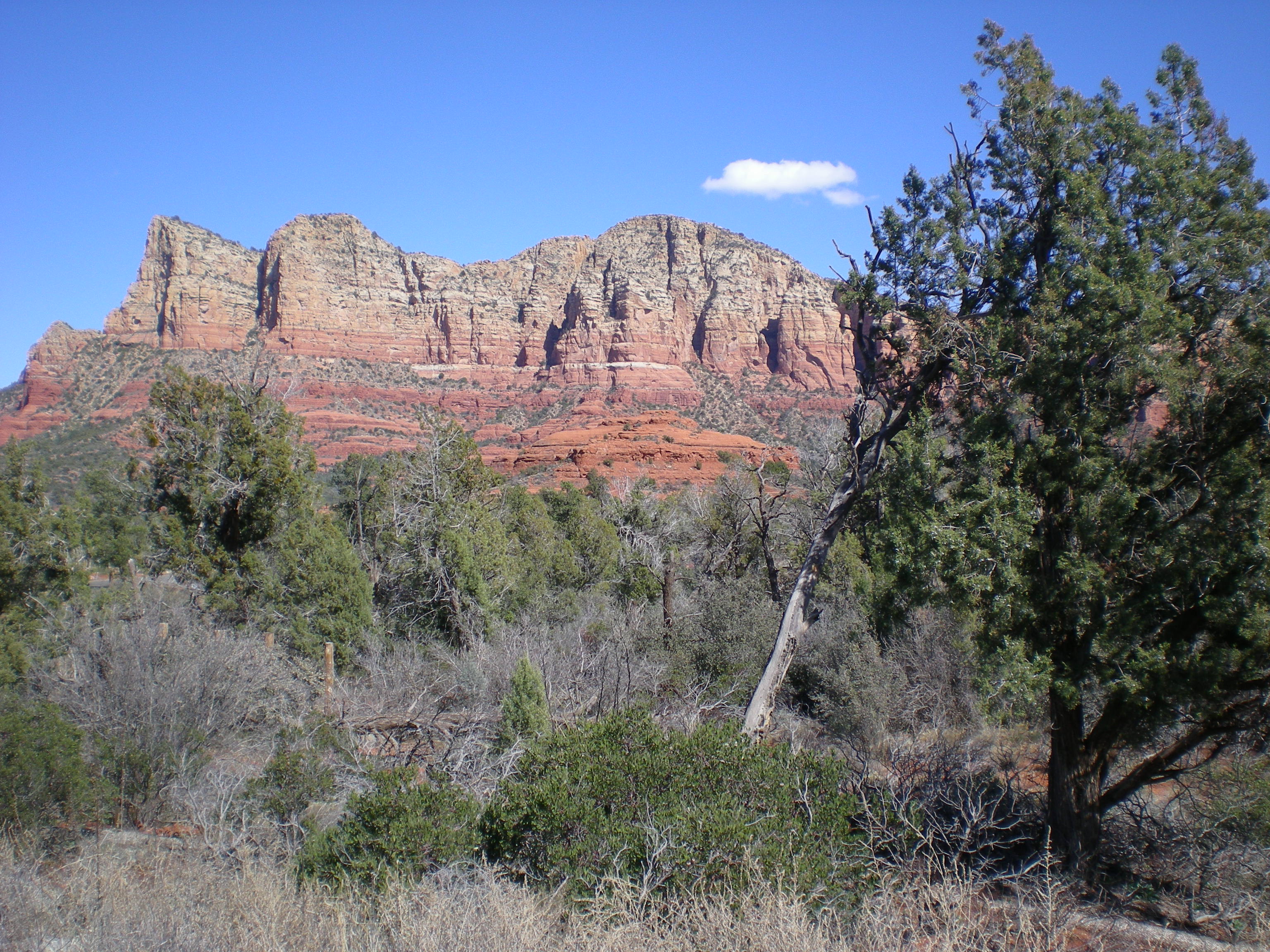
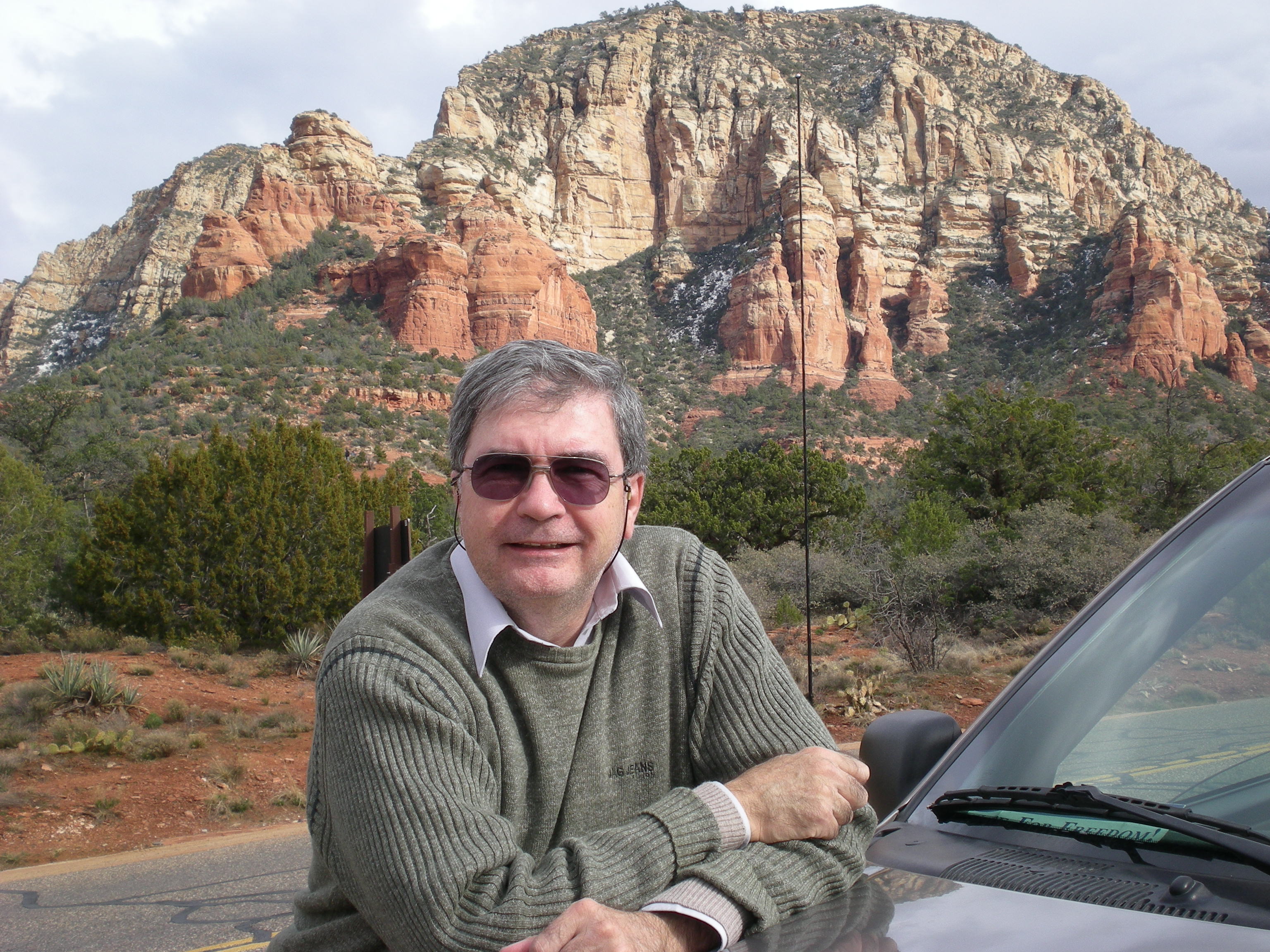
A friend of a friend was good enough to drive me to Sedona, a town built in the middle of canyons that show the layers of rocks very clearly. We also saw “Rawhide,” a reconstructed Wild West town, complete with acted shootouts etc. I’ve included some photos below. I imagine the first settlers found this very inhospitable countryside to visit. It’s a wonder they didn’t pack up and go home. Still, America was founded with that spirit of exploration and setting off into possibly adverse conditions – kind of like the first explorers in Australia who crossed the Great Dividing Range that’s a couple of hundred miles in from the east coast of Australia. When they got to the other side and saw the harsh conditions, it surprising they didn’t go, “Hey I’m out of here.” Wills and Bourke, two of our most famous explorers, died because they miscalculated how far you had to travel before you’d find water. There are parallels. Anyway, some pictures are below.

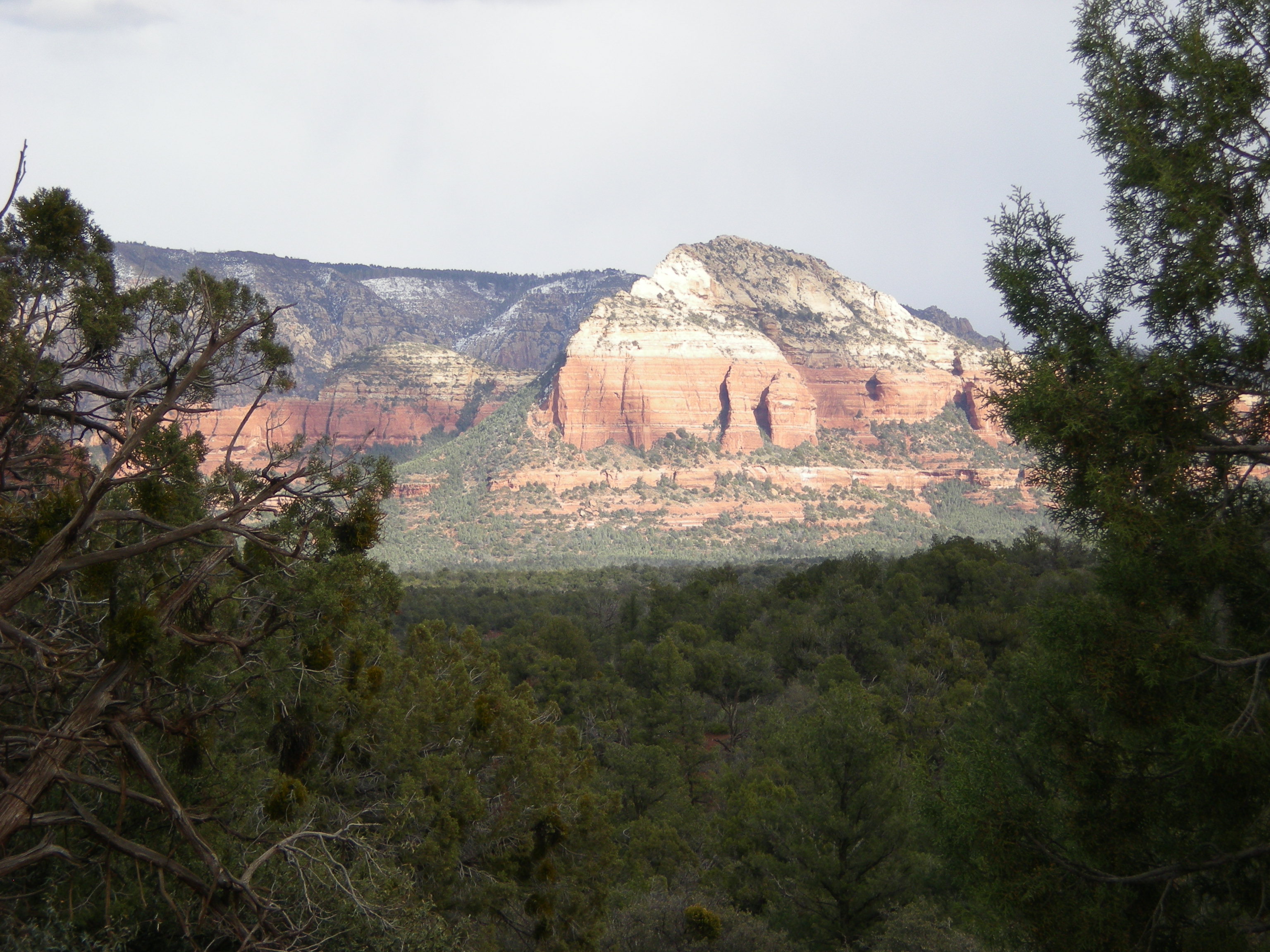


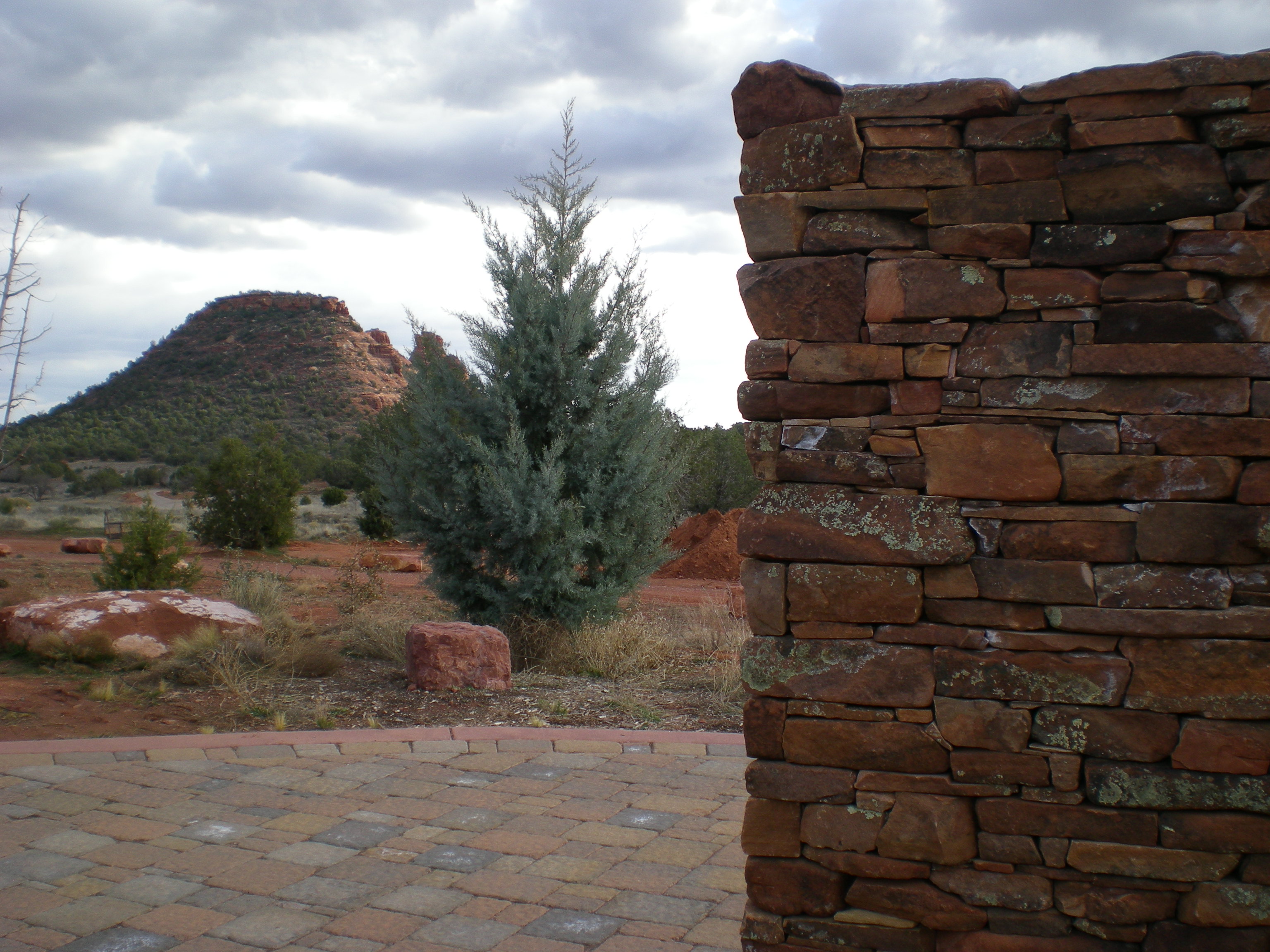
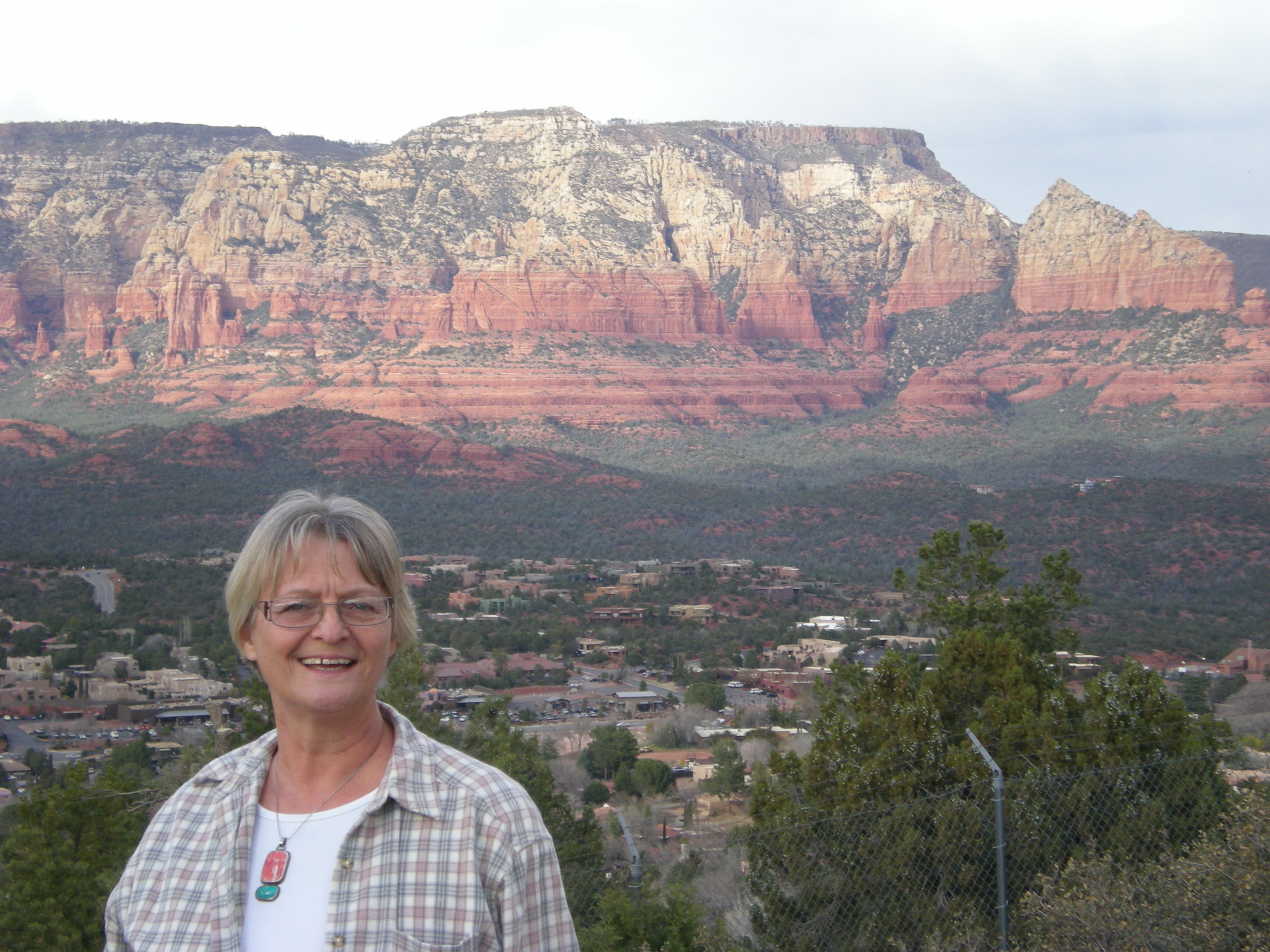
Later this month I’m off to the Southern California Writers Conference at San Diego to try to sell my first novel ( a spy thriller.) (Their website is
In the meantime I’m trying to write a second one about a woman on the first manned mission to mars who keeps getting messages on her computer from someone who is able to predict what will happen on the ship. The trouble is, the messages keep disappearing, leaving her with now proof that she ever got them. She doesn’t know whether to tell anyone about them, and the sender urges her not to. Unfortunately, she had two uncles with schizophrenia, and she begins to worry that these messages aren’t real. The novel will revolve around “what do you do on a ship in deep space if you begin to doubt your own sanity?” Who do you turn to for advice when the very people you depend on for cooperation – and who will depend on you – need to feel they can trust you to act rationally, given all the difficult things they’ll have to do when they do get to Mars. (There’s going to be a twist at the end when we learn who the sender of the messages is.) But it’s turning out to be a lot harder than I expected. Writing the spy novel was a hard, slow process, despite several professional manuscript appraisals. It took 5 years before I put it away ad recently pulled it out again. This one is beginning to feel much harder.
Any readers who have suggestions: if you intentionally wanted to drive someone insane on a space ship, how would you it?


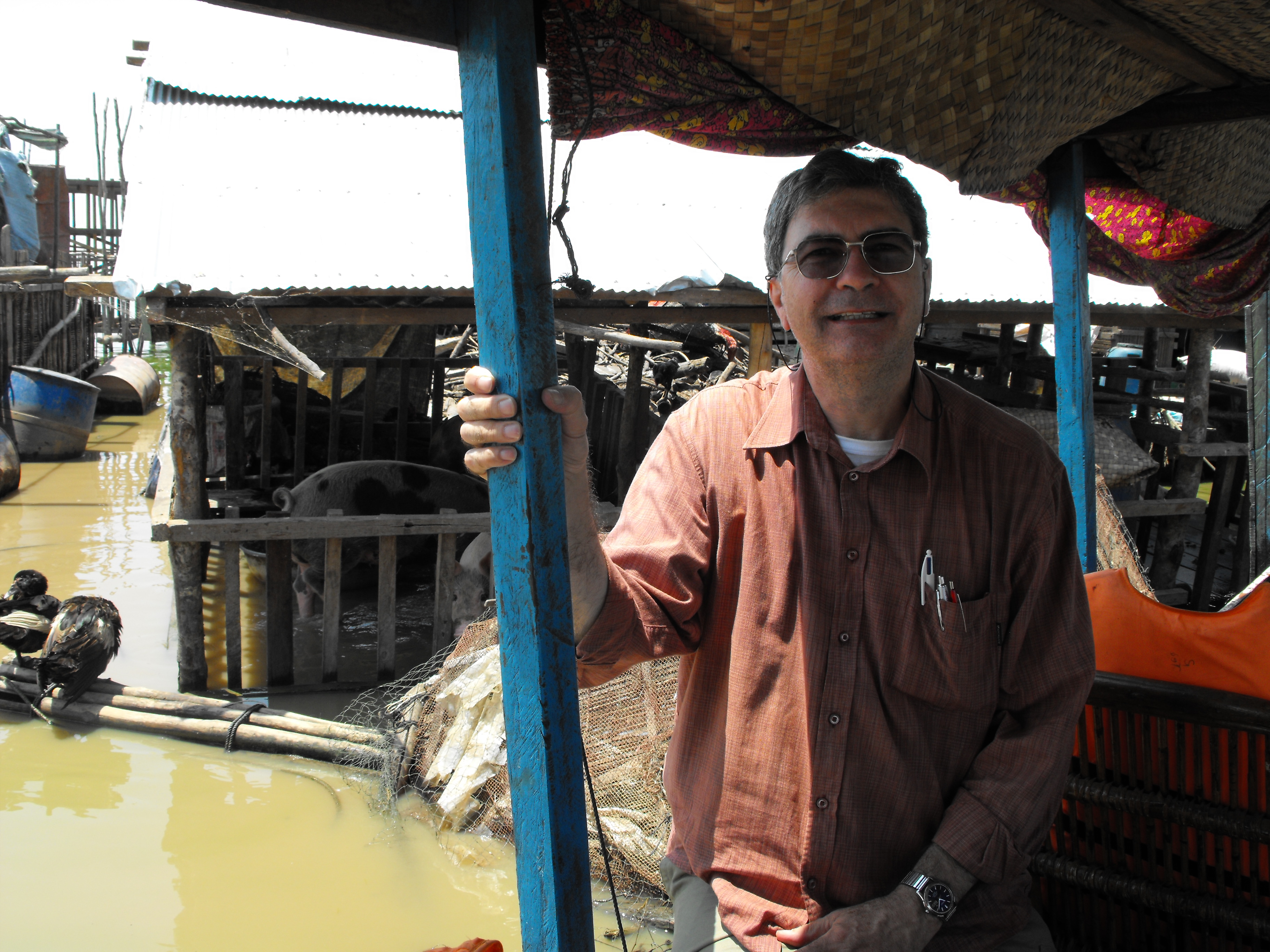
Some new photos: In Cambodia there is a whole community that lives in boats, flaoting houses built of floors of thick bamboo, and deconstructable houses on stilts in the middle of the Tonle Sap lake. These people fish, and also keep live stock (in cages, on floors of floating bamboo) on the lake. Here are some photos. At the height of the rany season, some of them dismantle their houses and move them to land.


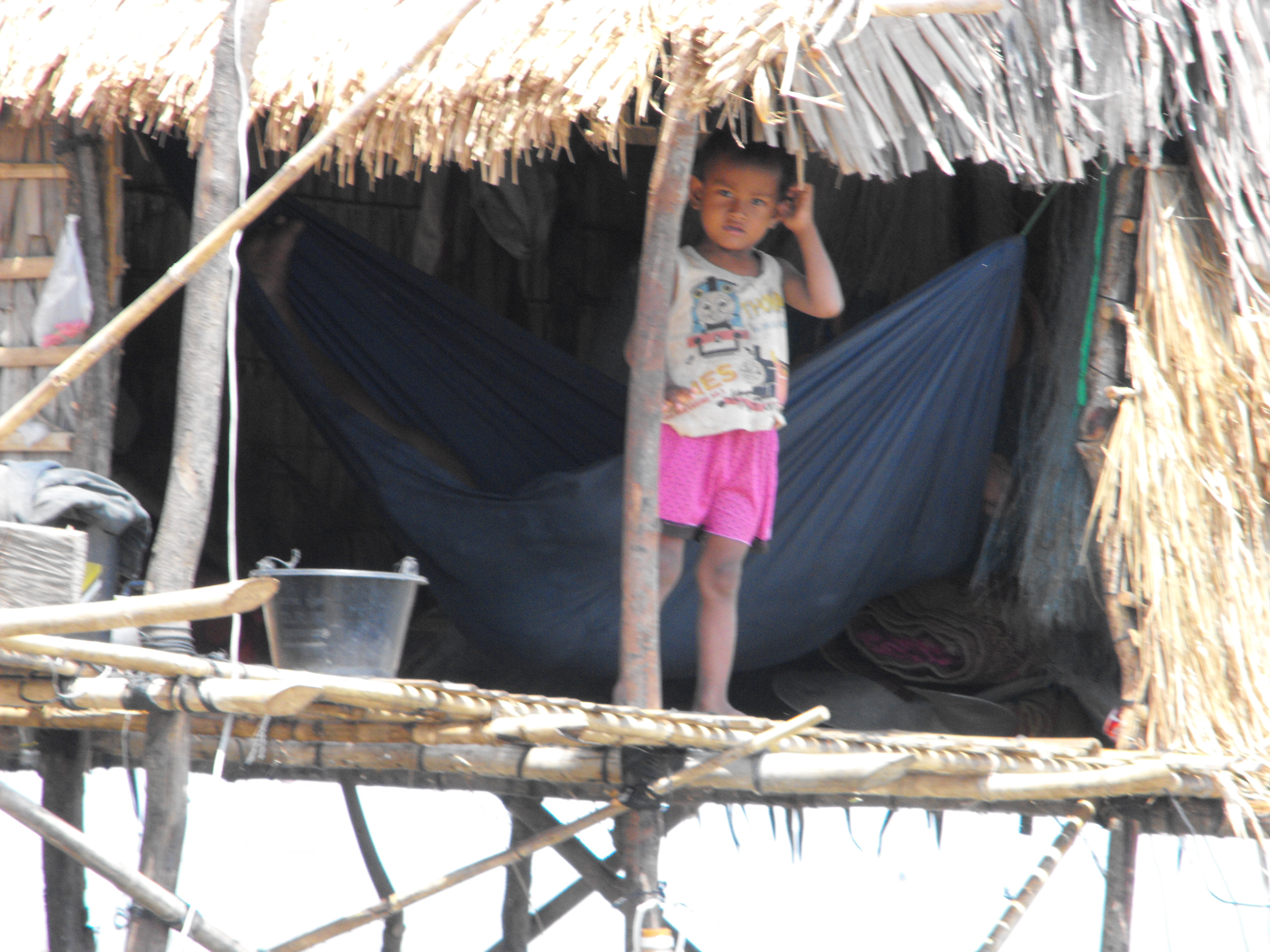


Withing 12 hours of posting the book review below I got a comment from a guy who runs this website, about people who disagree with Amish and support people who leave the church. The issue of people confusing culture with religious rules is so similar to what crops up in Hirsi Ali’s and Ishad Manji’s books about what’s Islam and what’s North African or what’s Arabic culture. Take a look at his site. Whether you’re Christian or not, it’s intersting. (See the link below.) There is a six-part BBC documentary about a couple of families that leave/get expelled from the Amish. One of the critical issues is that they are reading the Bible in English! Most Amish are given Bibles in Old German, which they can’t understand. But of course, information is power, and restricting the ability of the ordinary Amish to understand what’s in the Bible helps the elders to maintain power over the flock.

